
People in Liverpool are being offered easier access to PrEP, a drug that reduces the risk of contracting HIV, through a new online platform.
The region has piloted the new drug service that will deliver the prevention drug directly to individuals without the need for an in-person consultation.
However, University of Liverpool’s LGBT+ Society is calling for more awareness on HIV to be offered to students as the taboo surrounding the virus prevents young people from getting checked and, consequently, ignoring the potential risks to their health.
President of the society, Luke Shannon, said the new incentive will appeal more to students because it removes the stigma of embarrassment of an in-person appointment.

He said: “It removes the taboo around doing it with someone to have to talk to and then you can just do it yourself.
“However, there is the risk of it being as reliable, as efficient and as effective as a test, but it’s more relaxing, I think, and people feel much more comfortable to do it.”
During conversations with Sahir House, the city region’s LGBTQ+ and HIV charity, Luke discovered that most people who are getting HIV nowadays are straight people.
He said: “The only risk I’d really think about is if it alienates the older populations who don’t really use technology much.
“I think if you’re aiming for young people, then it works perfectly because were much more attuned to that, but they must be very careful not to alienate that population.”
The society raises money for charities that support HIV prevention. They ran the Santa Dash last year for the Sahir House, and they are doing the same this year.
They also offer open conversations about the issue to break down barriers and share material about their directorate to find things like queer barbers and queer health services.
The president of the society emphasised the lack of queer sex education for students to access.
He added: “I think most people when they talk about sex education, they look through a heteronormative lens.
“When I look back at my sex education in school and even university, it’s gone through such a straight lens.
“Like queer people have to learn themselves how to have sex, the wrong way. They have to go on the internet; they have to research it.”
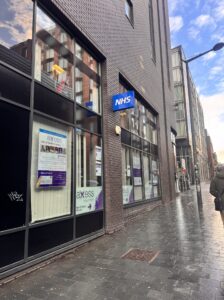
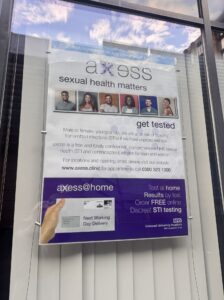
Luke explained there is a need for universities to educate individuals coming to study about preventative drugs as students may be more exposed and not know how to access support from local sexual health services like Axess.
Improved education could help with Liverpool’s aim to end HIV transmissions by 2030.
A report from the Liverpool City Council in late October showed a 7.5% increase in HIV testing, thanks to expanded access via sexual health clinics and a growing number of people starting or continuing PrEP.
Luke said: “People have the narrative that it’s all in the past and it’s not. So, we just have to remember and think about it rather than actively fight against it.”