

Girls who play after school sports in the UK are more likely to get top jobs later in life, according to new research. The findings suggest that physical activity might have long-term benefits beyond the field. However, sports coaches on Merseyside said that more investment is needed in girls’ sport to make it available to all.
The research, from policy consultancy Public First, found that women who took part in extracurricular sports as kids were 50% more likely to reach senior professional roles.
The research suggests that participation in sport helps young people develop key skills such as leadership, communication, teamwork and resilience. These are all qualities that are highly valued in a workplace.
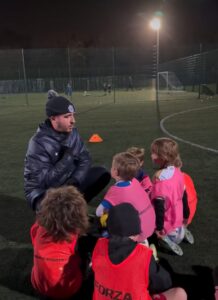
Jack Cain, a sports coach who runs after school and community clubs on Merseyside, said how the research found from the study was, “not surprising”. He said: “School sports is definitely male dominated, so it takes a lot of bravery for girls to step in and compete with boys at a young age.”
The study noted that boys were 1.5 times more likely to play team sports, while girls tend to partake in solo exercising. Although this is still exercise, it means that girls don’t benefit from developing communication and teamwork skills.
Resilience is an attribute that is picked up from a young age by taking part in sports, which can later be used in life during the working environment. “In sport we must be competitive, this is why we build resilience. We learn through mistakes. Those who can brush off mistakes quicker and learn from it will grow in confidence.”
When coming into schools and hosting sports through his clubs, Mr Cain expressed how he “always encourages the older, more experienced / high ability players to help and encourage the younger, less experienced ones”.
With evidence linking after-school sport to future career success, coaches say that participation should be viewed as an essential part of a girl’s personal and professional development, not just seen as an extracurricular activity. It is about the importance of keeping girls engaged in physical activity throughout their school years.
Mr Cain added: “Girls who play sport often will want to win and will try a lot harder when things get tough. Girls who don’t attend clubs may be slightly more reserved in this aspect.”
He stressed that more investment is needed to make afterschool sport accessible and appealing for all girls. Mr Cain said: “I think a lot more girls only clubs need to be encouraged. Giving girls a safer space where they have confidence to try a sport in an environment surrounding by girls would certainly improve this.”
The overall message from this study is that encouraging girls to take part in after school sport isn’t just about fitness, it is about giving them a head start in life.