
The Liverpool City Region was the first region in the UK to declare a climate emergency and as such claims to lead the way in the global mission to save and produce clean energy.
Under the leadership of Metro Mayor Steve Rotherham, the combined authority launched their Pathway to Net Zero blueprint, committing to the ambitious target of net zero emissions by 2035.
With today being World Energy Saving Day, Mersey News Live examines the extent to which the region really is is leading by example.
How will the region get to net zero?
The Pathway to Net Zero proposal focuses of decarbonising the region, with the combined authority investing into cleaner infrastructure.
It is improving public transport, having implemented new publicly owned trains to the area in 2023, with plans to roll out a similar system with buses from 2026.
Furthermore, plans are in the works to construct a tidal energy system that will harness the renewable power of the River Mersey.
The combined authority hope the investments and improvements to public infrastructure will encourage residents to use public transport and reduce carbon emissions across the region.
Rotherham also set up a £30,000 community fund three years ago to assist grassroot projects protect their local environment.
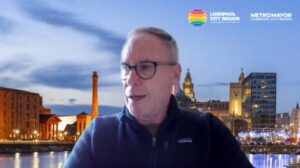
Tim Jago, Place and Net Zero lead for the Liverpool Combined Authority, said: “It’s not a huge sum of money, but it’s reasonably significant, and community groups can bid in for their own little projects. There’s a lot of money gone out there. So they’re not formal partnerships, but there’ve been organisations that we’ve been willing to support.”
Grassroots perspectives
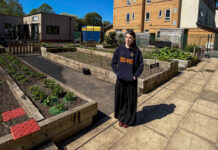
Community groups and charities are also key. One example is Wallasey based group Earth Moves, which is currently working on a horticultural project wherein cardboard and organic materials donated by the community are repurposed to transform a neglected strip of land into a raised wildflower bed.
They are using a technique called ‘Hugelkultur’ which is a zero-waste process that enriches the soil over time.
The project encourages residents to reduce, reuse and recycle materials – as well as reflect on their carbon footprint and environmental impact.
Paula Staunton of Earth Moves said: “Digging can interfere with the biology of the soil in a negative way. My research has shown that the least digging you do, the better.”
The United Nations Environment Programme have shown concern over soil degradation.
Experts are warning that factors like urbanisation, industrialisation, and climate change are affecting up to 60% of agricultural land in the EU.
Ms Staunton said she doesn’t believe that the Combined Authority do enough to support community projects, claiming they focus instead on corporate green agendas.
Whilst the council have provided the land to the group for a nominal rent, she said: “I think we could be better financially supported so we could do more work.”