

More must be done to support neurodivergent adults on Merseyside, charities have told Mersey News Live. With October marking ADHD Awareness month, they have called for employers, the council and media to take action to combat the stigma and barriers that those with the condition often face.
ADHD (Attention Deficit Hyperactivity Disorder) is a neurodevelopment condition which causes the brain to work differently to neurotypical people, according to the NHS. While much attention around the condition often focuses on children and schools, those who support adults with ADHD on Merseyside said that they too can face problems such as a lack of reliable information and awareness among the wider population.
Liverpool City Council provides schools with resources such as SENCO and ADDvanced Solutions, all of which deliver learning and support for neurodivergent children, and their families.
But what support is available in Merseyside for adults with ADHD?
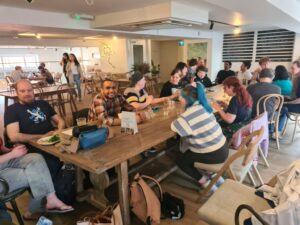
Liverpool-based charities and community-groups are directing initiatives to improve understanding and support for adults with ADHD.
The Brain Charity provides emotional support and social activities, but also offers specialist coaching to employers across the Liverpool City region, with hopes to tackle the negative stigma that are prevalent in workplaces.
Gregory Kearns, a neurodiversity trainer at the Brain Charity, said: “We need to create those environments internally in our workplace where we can think about these conditions and not necessarily have all that negative baggage that sometimes comes along with these conditions.”
Workplace barriers for adults with ADHD are severe and stem from public misunderstanding. They include stigma, outdated stereotypes, resentment from colleagues, fear of disclosure, and insecurities.
One change Liverpool employers are advised to make to benefit neurodivergent adults is “asking our employees what kind of support they need to be more effective in their workplace…that means that they don’t necessarily have to disclose that they have a condition to make it easier to ask for that support,”, said Mr Kearns.
It’s not just professional clinical and medical support adults with ADHD need; community initiatives across Merseyside are filling a gap by creating safe spaces for neurodivergent adults.
ADHD Connect, a community group, in Liverpool was formed in 2022 by friends Hannah and Jess, who were both experiencing ADHD and the diagnosis process.
Their mission: to build an open, supportive community where adults with ADHD can connect with others, share their experiences and drop the mask without fear of judgement.
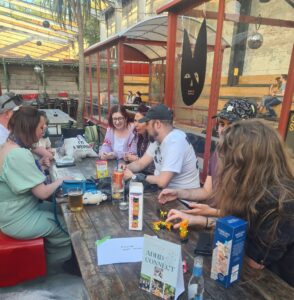
Jess Vickers, co-founder of ADHD Connect, said: “Attendees have fed back in events that they are nervous to tell their employer about their ADHD because they don’t feel they’re in a safe environment to do so and fear being judged.”
The group have transformed into a valued community, that was once lacking in the local area.
Feedback from members include feelings of nerves turning into belonging and ‘a breath of fresh air’ they can unmask in.
“Social anxiety is real and can be heightened when you’re feeling so isolated. You are not alone in how you are feeling, and people in the community want to listen and share,” said Ms Vickers.
Merseyside has seen changes as it starts to become more ADHD-friendly, however more issues evolve overtime.
From funding to create these environments and workspaces, to public education to reduce stigma, the neurodivergent community hope to see Liverpool City Council’s focus shift to adults, not just pathways for children in schools.
Mr Kearns said: “Often when we make positive changes for people with ADHD, for people with autism, for people with dyslexia, and we can provide those changes flexibly and thoughtfully, it helps people who don’t have these conditions as well… If we were to make a more ADHD-friendly Merseyside, it would become a more friendly Merseyside more generally.”
Listen to Gregory Kearns discuss how changes to help adults with ADHD, will help everyone.
Featured image (c) Jess Vickers, ADHD Connect.