

For many, a quick bet on the horses or a football match is seen as a meaningless bit of fun. But for others, something as simple as placing a £1 bet on the favourite can have long-term devastating consequences.
“It started off with £1, and 10 years later, it finished with £4500 on just one tennis match…”
Declan Cregan gambled for the first time when he was just 16 years old and still in school.
Placing a £1 spin on a game of roulette led to him winning £7.20, an amount so poignant to his future that he still remembers it to this day.
Declan said: “It was obviously not much money, but at sixteen it was enough to buy me a Subway, and I was buzzing.
“And from that point, that was me… near enough instantly, I was hooked on gambling.
“At the age of 16, I was then in the bookies every single day.”
Something as simple as a £1 bet shows the impact that gambling can have. It’s not always the big wins that spark the addiction – it’s the adrenaline and feeling of winning, which can occur with even the smallest of amounts.
Very quickly, gambling began to have a more significant impact on Declan’s life and future plans, with him dropping out of university after just three weeks to get a full-time job to fund his addiction.
He said: “It started so fun and small, but in the end, it was just carnage I suppose.”
Gambling: a rising epidemic?
Declan is not alone in his struggle with gambling.
Data shows that the number of people impacted by the addiction is on the rise, with younger people increasingly getting caught in the cycle.
In a survey conducted by YGam in March of this year, it was found that 65% of university students had gambled in the last 12 months, and 18% of those students had experienced gambling harms.
University students are losing an average of £50 a week, rising by nearly 50% in the past year.
A telling sign that this is an issue that is getting worse, not better.
For over half (53%) of the students who said they had gambled in the last year, the primary motivation behind it was to make money.
When looking at the national situation, with the cost of living at an all-time high, it is perhaps understandable that more and more young people are being drawn into gambling.
Gambling in the digital age
It is impossible to ignore that the habits surrounding gambling have changed significantly in recent years.
Once seen as a hobby mainly for older men going into the bookies, this is no longer the case.
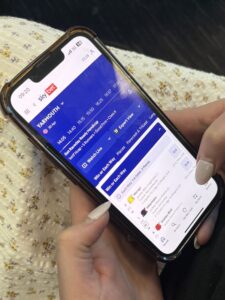
More and more young adults are experimenting with and becoming addicted to gambling, with online betting apps making the addiction increasingly easier to adopt.
Chapter One is a national organisation which provides information and support to people regarding gambling and its harm.
Scott Woolley, Digital Communications Officer for Chapter One, reflected on the change in how people gamble.
Mr Woolley said: “It’s only probably been 10 years where everyone has had a smartphone that has got internet and apps that work 24/7.
“It’s essentially like walking around with a casino in your pocket at all times.”
Declan, who now works for Chapter One, agreed with this sentiment, suggesting that changing the narrative on who gambling addictions can impact is vital to tackling the issue.
This highlights a clear danger and struggle to identify gambling issues in other people, as unlike other addictions, it does not have physical signs and is less easy to spot.
A new approach to tackling gambling
Over the last few months, Chapter One has partnered with Liverpool City Council to provide a new social media campaign that aims to make the organisation more accessible to younger people.
Identifying that individuals aged between 18 and 35 are most at risk of gambling harm, targeting these individuals directly through social media campaigns that combine public health messaging with lived experiences.
According to Liverpool City Council, around 1 in 6 young adults are affected by gambling-related harm.
The “If Only I Knew” campaign has a core message that “99% of people who gamble lose in the long run”.
View this post on Instagram
Scott Woolley, Digital Communications Officer at Chapter One, said: “I want [the campaign] to really have that storytelling element, to blend the lived-in experiences with the public health message.”
However, using social media, where success relies on engagement, was arguably a risky strategy for Chapter One.
Mr Woolley reflected on this, saying that the public nature of the campaign could have discouraged people from engaging with it, due to fear that interacting with a gambling prevention organisation on social media could be seen by friends or employers.
However, Chapter One saw a significant level of interaction. Mr Woolley said: “Gambling is still heavily stigmatised and quite niche, so to see that level of engagement was really empowering.
He added: “We’re hoping it’s the first of many campaigns.”
The success in Liverpool has seen the campaign expand to other parts of the UK, including Bradford, where the “If Only I Knew” campaign is now targeting.
Support is out there…
Trying to prevent gambling addictions through organisations like Chapter One is important to try and reduce the number of gambling addictions in the UK moving forward, especially in young people.
However, for those already struggling, it is important to know that help is out there.
The NHS has seven regional gambling services across England, each with its own clinics open for people who are struggling with gambling to self-refer to, for treatment and support from qualified professionals.
This rollout of regional clinics began in 2019, showcasing that gambling addiction is being taken more seriously, and help is available for those who need it.
Sharing his own gambling journey, Declan reflected on a trial-and-error approach to his recovery.
Declan said: “If you’re struggling, it’s much better to try these things, and yes they might not work, but it’s a huge help to try.”
For more information on gambling support, see Chapter One’s website here.
For the NHS Gambling support, click here.
Click here to participate in the poll: “Do you think enough is currently being done to educate students on the harms of gambling?”
Featured Image: Declan Cregan speaking to a school about his gambling journey. Copyright: Chapter One, 2026.