

Cardiovascular deaths, such as heart attacks and strokes, peak in winter, with particularly high numbers in January.
Health experts have long observed the seasonal trend, with recent findings from a British Medical Journal study suggesting that there is a 15% overall increase in heart attacks during the winter holidays.
According to the British Heart Foundation (BHF), heart-related deaths among people under 75 have been rising since 2020. The charity’s latest data shows that the premature death rate for cardiovascular disease in England reached 80 per 100,000 people in 2022 – the highest level recorded since 2011.
The rise has prompted renewed warnings from experts and health organisations, urging the public to be aware of heart attack symptoms and to act quickly.
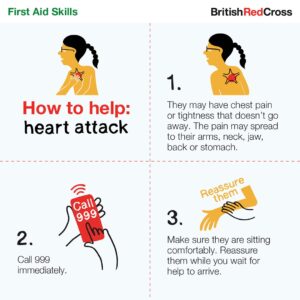
Alice Squires, product manager at the British Red Cross, stressed the importance of early action. She explained the warning signs of a heart attack can include:
- Persistent, vice-like chest pain which may spread to the arms, neck, jaw, back or stomach
- Breathlessness
- Feeling unwell
- Sweating
She added: “There is a general feeling that heart attacks only effect a certain group of people but realistically we would say that anybody could potentially have a heart attack.”
“It’s really vital that as many people as possible have a go and try and do something, because you can’t really do something wrong when somebody’s already collapsed, unresponsive on the floor. Anything you do is going to be a positive intervention.”
The British Red Cross have detailed the first aid steps for someone having a heart attack:
- Call 999
- Help the person sit down
- Reassure them while you wait for an ambulance
Health experts are urging people to stay alert to heart attack symptoms this winter, stressing that calling 999 could immediately save a life.
Listen to Alice Squires discuss warning signs to look out for and the precautions individuals can take to prevent further risk of suffering a heart attack: