

Over the last few years, Liverpool has played home to some of the biggest names in the music world, with superstars such as Taylor Swift and Dua Lipa selling out Anfield.
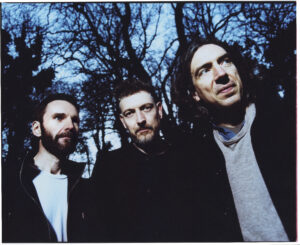
Now, with the prospect of American Rock band Foo Fighters performing at the stadium next year, and the already announced Snow Patrol set to headline the ‘On the Waterfront’ festival, Liverpool has been well and truly put back on the map for the music world. Local musicians believe it could be the first step in inspiring the next generation of scouse talent.
Sophie Ekins of Red Coven Band said: “Bigger bands tend to avoid Liverpool on tours often and just go to Manchester and London. Seeing us [Liverpool] now getting the big bands, it gives me hope that it is still the same huge music city that birthed the Beatles.”
She added: “I know that huge events like this will trickle down and have their effect on people like me who are involved in the local grassroots scene.”

It’s not just Sophie that is seeing the endless possibilities of the industry in the city. Naimi Bates, president of Liverpool John Moores Music Society, believes the high-profile names are highlighting the city as a place for local talent to grow.
She said: “[The] incredible line-up in the city recently highlights our continued importance as a major hub not just for music, but culture. It is hugely inspiring for the local music scene and shows that Liverpool remains a place where global talent wants to perform, and new talent can be discovered.”
Bates also touched on the venues available to the young musicians of the city: “We can perform at some incredible places, such as The Cavern Club and Jacaranda. These venues paired with huge music names keeps the energy alive and shows where hard work and talent combined, can get you.”
According to consultancy firm Turley, recent concerts have not only boosted Liverpool’s economics by over £31m but have also provided over a thousand local jobs.
While these numbers highlight the overall success of the city playing host to global icons, it does not necessarily correlate to an improvement in grassroots – an idea highlighted by University of Liverpool Lecturer Simon Stafford:
“Sometimes we see these bands as untouchable – as being able to do all these things because they have the money and gravity already. While seeing them come to us [Liverpool] is a welcome part of an already great music city, it must come in conversation with the grassroots scene, and not as this distant target. It would be great if the council could show more support to the grassroots music in the region.”
He continued: “The local music scene is thriving – and always will thrive – but without either local or central government funding, the music scene could be inhibited by the continued closure of small venues.”
Grassroots music venues have had some support recently, with singer Sam Fender giving his £25,000 Mercury Prize to the Music Venue Trust, a charity dedicated to protecting grassroots venues across the UK.
With the charity listing 13 venues as ‘grassroots’ in the Liverpool region, this donation could well fund work in the local area, further solidifying the cities young music scene as one on the up.